Ventilation: A Tune-Up for Your Building’s Respiratory System

“With so many New Yorkers working at home and spending extended hours indoors during the coronavirus pandemic, co-op and condo boards’ thoughts may be turning to indoor air quality. This might be a good time to refurbish a building’s ventilation system – a capital project that may lack great visual appeal but can reap considerable energy savings while improving residents’ comfort, health and peace of mind.

‘They probably already have indoor air-quality questions and concerns,’ says Amalia Cuadra, the senior director of engineering for the energy consultancy EN-POWER Group. ‘The biggest point we hear is, ‘I can smell my neighbors smoking or cooking.’ ‘

… Two New York City co-ops that EN-POWER has worked on have saved money by purchasing more energy-efficient equipment and sealing off faulty ductwork leaks that let cool air escape during summer and warm air during winter – forcing air conditioning and heating systems to work that much harder. The dollar savings can get downright sexy. At the 15-story 10 Plaza Street East co-op in Prospect Heights, Brooklyn, a $184,000 ventilation refurbishment in the summer of 2016 is saving about $27,000 a year, Cuadra says. And at the 30-story Plymouth Tower at 340 E. 93rd St. in the Yorkville neighborhood of Manhattan, a ventilation project costing $200,000 (minus an anticipated NYSERDA incentive of $42,800) is expected to save that co-op $26,000 annually, according to Michael Scorrano, the managing director of EN-POWER. After a few years, these upgrades will turn into money-makers.

How do you know if it’s time for your co-op or condo board to start investigating a ventilation system modernization or upgrade? Resident complaints are one good indicator. ‘The specific concerns we often heard were regarding inadequate ventilation of cooking odors or other odors which apparently traveled between floors and were not being vented out of the building,’ says Micah Garner of Maxwell-Kates, the managing agent at 10 Plaza Street East. At Plymouth Tower, Scorrano says, shareholders likewise complained of odors and also that the lower floors did not receive any airflow while the upper floors had too much.

Such imbalance occurs when apartments on higher floors, nearer the rooftop exhaust fans, get better ventilation than those on lower floors, which may be getting little or none due to their distance from the roof, poorly functioning fans or obstructions and leaks in the ducts.

… At 10 Plaza Street East, the nine-member board addressed residents’ ventilation concerns by first commissioning a study. EN-POWER verified there was no airflow beyond certain points throughout the building, which was built in 1959 and has 134 units. ‘They then set up a camera inspection of all the ducts,’ says Garner, the property manager. ‘At points there were complete blockages that looked like debris from original construction that was never cleared out.’

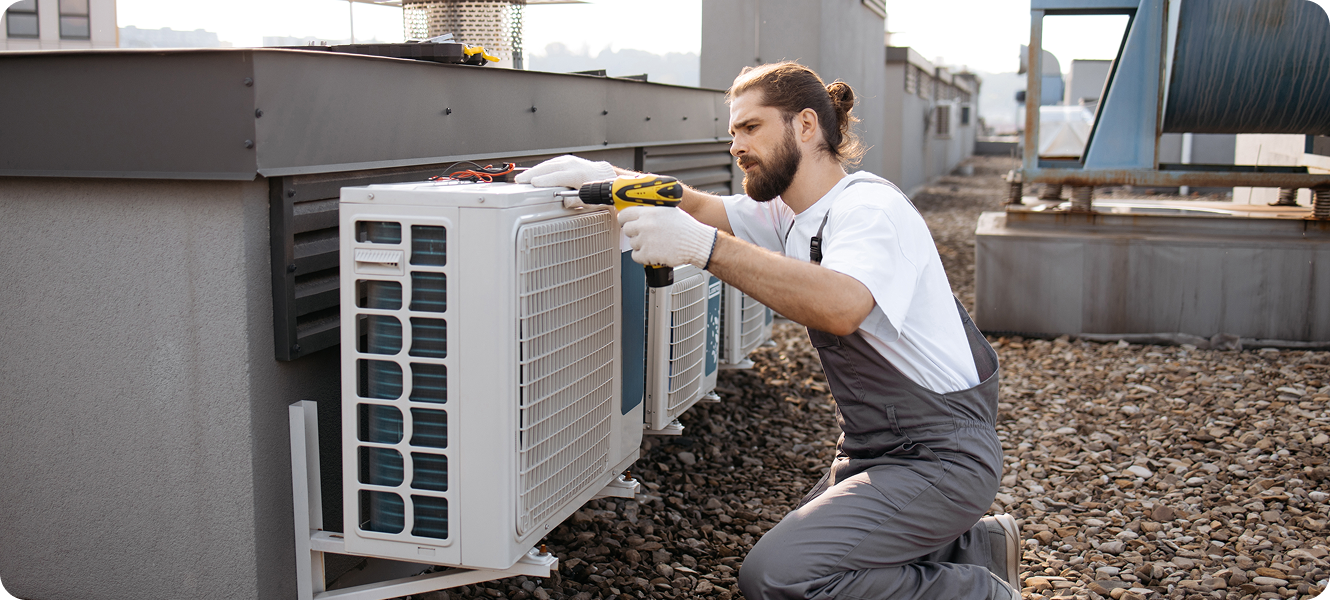
… Cuadra of EN-POWER took a slightly different tack. ‘We cleaned exhaust ducts and apartment registers to remove debris, cooking grease and dust blocking air flow,’ she says. ‘In addition to the regulators, we also installed fire dampers at the registers, which are designed to close during fires to prevent flames from spreading through ductwork.’ Existing rooftop fans were replaced with more appropriately sized fans to match the exhaust rates from the apartments. The new fans run on direct-drive motors instead of belts. ‘They require less maintenance, consume less electricity and produce much less noise when operating’, Cuadra says.

… Importantly, at both 10 Plaza Street East and Plymouth Tower, ductwork leaks were sealed. This is done by using an injected spray sealant. ‘It goes into the ventilation system and finds every hole about the size of a golf ball or smaller, and it steals it,’ Cuadra says.

Scorrano, her colleague adds, ‘It’s almost like a paint sprayer.’ The sealant covers pits, pinhole leaks and spots where two ducts are connected with tape and the tape’s falling apart. Larger holes are sealed manually with fiberglass mesh tape and mastic, a type of plastic resin. With such leaks sealed, fans don’t have to work as hard to pull up air, which lowers energy costs.

… Ventilation became part of this overhaul for a simple reason. ‘Airflow in the building was very inefficient,’ Dwork says. ‘The fans on the roof were either not working, working too much or working too little. Totally out of balance.’ Some residents of the roughly 366 apartments in the 1977-vintage building complained of odors. The board worked with EN-POWER, which went into roughly a dozen apartments and also did flow tests throughout the building to get a good overview.”

To read the full article in HABITAT’s September 2020 Issue  >>>> click here
Co-ops and Condos Can Get Electric Car-Charging Stations for Free

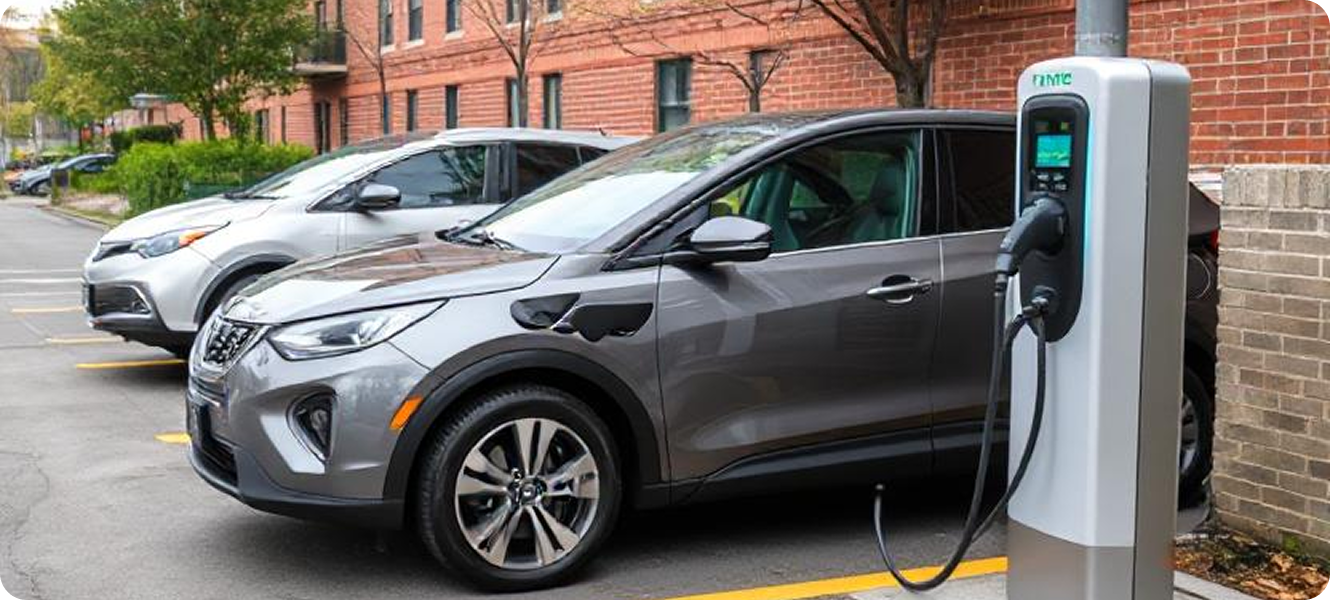
“…With nearly 20 million electric vehicles (EV) expected to be on the nation’s roads in the next decade, New York State has just released major new incentives that will cover up to 100% of costs for EV charging stations at both privately and publicly accessed facilities, including garages and outdoor parking areas in co-ops and condos.

‘This is a big deal,’ says Michael Scorrano, the managing director at En-Power Group, an engineering and energy infrastructure company. ‘The state is trying to take the angst away from people who are hesitant to buy an electric vehicle.’

En-Power Group is a state-approved contractor that can secure the incentives and oversee the installation of all infrastructure, software and hardware at an EV charging station. The incentives come from two sources: Con Edison’s EV Make-Ready Program, which covers infrastructure costs, including wiring; and the New York State Energy Research & Development Authority’s Charge Ready NY Program, which pays for the charging ports.

‘The problem for multifamily buildings that have EV charging stations is that they need to be able to recoup the cost of the service,’ Scorrano says. ‘The software measures the amount of electricity used to charge each vehicle. We can handle all aspects of the process – scoping out the property’s infrastructure, filing applications, hiring licensed electricians and overseeing installation of the charging ports along with the software that will recover the cost of charging every vehicle.’

The incentives in the new state program cover from 50% to 100% of the infrastructure and installation costs. The level of incentives depends on such factors as whether the charging facility will be public or private, if it contains generic or proprietary chargers (such as those required for Tesla vehicles), and if the facility is located within one mile of a ‘disadvantaged’ neighborhood. According to Con Edison maps, virtually all of New York City meets this last criterion.

As Scorrano points out, the incentives are designed to encourage more drivers to buy electric cars. The state wants 850,000 ‘zero-emission vehicles’ on the road by the end of 2025; there were about 17,000 in 2019, according to The Albany Business Review.Gov. Andrew M. Cuomo also wants EV charging stations at every rest area on the New York State Thruway by the end of 2024.”

To read the full article in HABITAT  >>>> click here

The Bronx is Green – Sherman Terrace Coop Making Strategic Investment in Clean Energy Choices

“As the COVID-19 pandemic descended upon the country at the end of last winter, notably taking hold initially and most prominently in New York City’s outer boroughs, which include some of the most diverse ZIP codes in the United States, it quickly became apparent that communities of color were being impacted more heavily and more severely by the pandemic. Part of this outsized impact can be traced to the disproportionate rates of underlying health conditions that exist in such communities, which are in turn a factor of decades of energy policy and infrastructure that placed polluting power plants and toxic waste sites at the doorstep (sometimes literally) of residents.

But now such communities are looking to reverse these devastating trends by prioritizing energy efficiency and public power in their neighborhoods and buildings. In the Bronx, non-profit groups like The Point CDC and South Bronx Unite are flipping the script on traditional energy sources, supply, and even ownership, advocating for and organizing alternatives that produce cleaner, more affordable energy and put the control in the hands of the people who use it. And Bronx co-ops and other multifamily communities are going back to their roots in collective ownership and advocacy by converting to green power sources and infrastructure and sharing resources and information.

Sherman Terrace Cooperative

At 1010 Sherman Avenue, in the heart of the Grand Concourse in the South Bronx, Sherman Terrace Cooperative (STC) is a 67-unit co-op building developed in 1957 that is now ‘dispelling the wealth illusion associated with energy conservation and on-site energy generation by taking responsibility for its environmental impact and making strategic investments in clean energy choices for infrastructure and in building operations,’ according to current board president Derek Jones.

With a majority minority shareholder population since its inception, STC is currently home to a demographic of 74.62% Black, 14.93% Hispanic, 5.97% White, 2.98% Asian, and 1.49% Indian residents, 37% of whom are retired, and nearly 100% of whom are characterized as low to moderate income. The co-op’s seven-member board has set intentions for the building to be ‘a positive, proactive, conscious example for the surrounding community,’ says Jones, who spearheaded the board’s transition to a more progressive-minded governing body focused on lasting and impactful capital improvements and community engagement.

Inspired by the alternative energy initiatives undertaken by the adjacent Melrose neighborhood—the only Certified Gold LEED district in the state of New York, says Jones—STC has taken on several projects recently to reduce its carbon footprint and become a model for on-site energy production and sustainability. After engaging energy consultant EN-POWER GROUP, the co-op retrofitted all common area lighting to LEDs and participated in Con Edison’s Multifamily LED Lighting Incentive Program that allowed shareholders to swap out conventional light bulbs for energy-efficient LEDs in their units.

Additionally, STC improved the internal building air quality in common areas, as well as in 24 individual apartments, by completing high-pressure, negative-suction cleaning of all air ducts with commercial-grade high-efficiency particulate air (HEPA) vacuums. This project was undertaken before the threat of COVID-19 even surfaced, intended as a preventive measure for the already prevalent respiratory illnesses and allergies that are commonly caused and spread by inefficient or faulty duct systems, where harmful microorganisms, fungi, and viruses can grow. Having the improved duct system during the coronavirus pandemic has surely benefitted both residents and staff of the building.

Recently completed at STC is the installation of a new boiler with an updated Real Time Energy Management (RTEM) system that can control the heat based on indoor temperatures and will provide real-time alerts and analytics to building management. The system also allows for remote control of the boiler from phone, computer, or management system. The burner will function on both gas (primarily) and oil (in case of emergency), reducing the overall building CO2 output. Smart temperature sensors have been placed in more than one-third of the residential units to more accurately monitor whole-building temperatures. A separate 750,000 BTU water heater is also being installed that will result in greater water efficiency and energy savings, especially after wireless Intech 21 Power Meters PM-2104 are installed in each apartment, creating an opportunity for shareholders to become more aware of their personal energy usage.

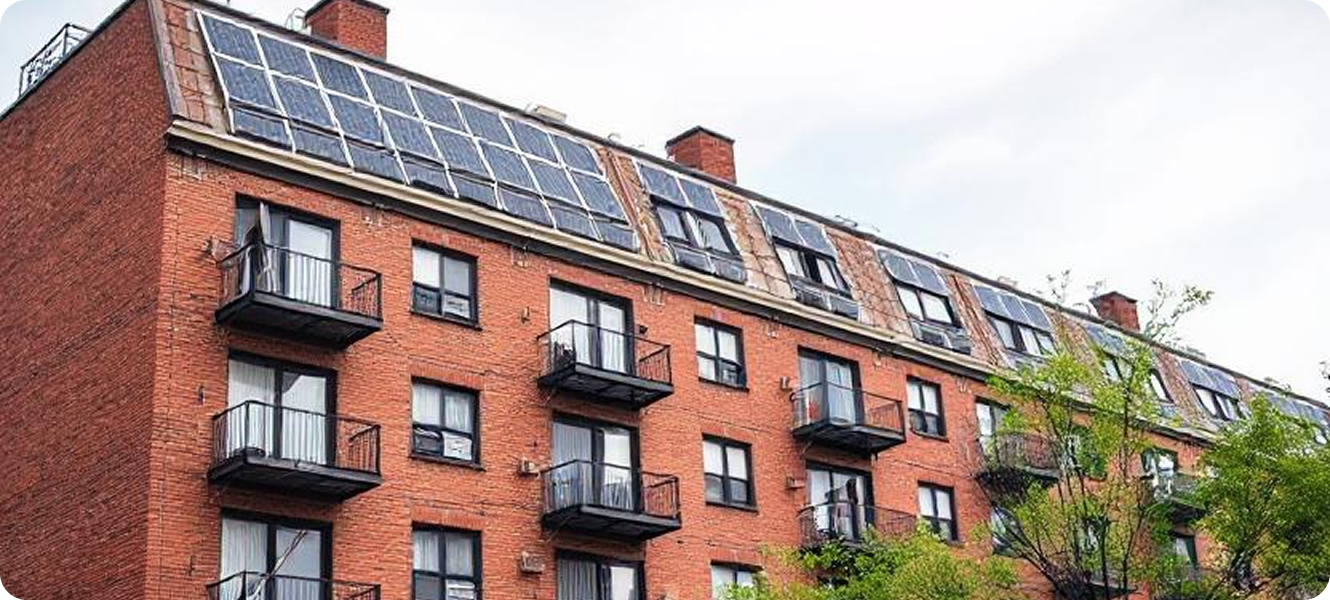
A recent roof re-insulation and sealant membrane provide energy efficiency by keeping the building cooler in summer and retaining heat in the winter; the co-op is capitalizing on the new roof’s 25-year warranty by adding 301 LG solar photovoltaic modules of 350 watts DC each and SolarEdge inverters with optimizers for the panels. The system is expected to have an estimated annual production of 120,167 kWh AC and complies with the mandates of Local Laws 92 and 94 that require all buildings undergoing roof renovations or replacements, in addition to all new buildings, to include a solar photovoltaic system, a green roof system, or a combination of both.

According to Jones, STC’s boiler conversion has already yielded substantial savings in fuel costs for the co-op. The first four months of 2021 alone saw a $71,892.36 savings compared to the same period in 2020. The co-op has additionally earned $8,407.24 in credits from the solar installation between December 2020 and April 2021.”

To read the full article in CooperatorNews New York  >>>> click here

In addition to the lighting upgrades, EN-POWER also provided the engineering design for the new boiler and worked on a sub-metering project for Sherman Terrace Cooperative. Sub-metering can be applied to many components of the building industry, from equipment performance and energy usage to sub-metering individual tenants. The goal is to monitor and visualize consumption, making it a powerful tool for real-time energy and power management and promoting behavioral changes. In New York State, metering is required for a building to participate in a demand response program or install a cogeneration system, and sub-metering is required for compliance with New York City’s Local Law 88.

Celebrating Amalia Cuadra’s Ten Years of Senior Leadership at EN-POWER GROUP

Cheers to our Senior Director of Engineering Amalia Cuadra who is celebrating ten years of senior leadership at EN-POWER GROUP, during which she has been instrumental for the growth strategies of our services and team. If you’ve been through any of our engineering projects, Amalia is one of the lead architects of how we do what we do. The success of our systems, processes, and company culture are the result of her vision, passion, and dedication.

Since joining in 2012, Amalia has spearheaded the incubation of new business units, including the creation and growth of energy engineering, mechanical, electrical, and plumbing (MEP) design, building control & automation, and commissioning services. She has also built and overseen the management, training, and mentorship of 40+ staff members, managed project costs of over $16 million across a multitude of multifamily and commercial projects, and personally leveraged over $5 million in rebates for clients while leading teams that secured over $20 million.

Not only has she been a great leader within EN-POWER, but also within our greater community. She has served on City and regional energy-related committees sharing her expertise as a speaker and contributor at many organizations including the NYC Mayor’s Office of Climate and Environmental Justice (MOCEJ), Building Energy Exchange (BEEx), Women in Sustainability and Energy (WISE), Habitat Magazine, and major real estate management companies, to name a few. We are indebted to Amalia for her visionary leadership that has helped to strategically position the company as an industry leader in a competitive energy and carbon reduction market.

Please join us in congratulating and thanking Amalia!

EN-POWER GROUP Featured in New York Times

EN-POWER GROUP is recently featured in The New York Times article “Can I Force My Building to Install Electric-Car Chargers?” by Ronda Kaysen

As NY State will ban the sale of gas cars by 2035, residential properties need to start preparing the infrastructures for the push of electric vehicles (EVs). Now with incentives from the NY State and utilities, it is the prime time for co-ops and condos to install EV chargers.

In the article, Our Director of Business Development Mitchell Karasik, who has been leading EN-POWER’s efforts with co-ops and condos on EV charging stations, highlighted our work installing 2,000+ chargers in over 200 buildings in NYC.

For more details, click here to check out the NYT article: https://www.nytimes.com/2022/04/02/realestate/building-electric-car-chargers.html?smid=url-share

EN-POWER GROUP’s Participation in the Regional Clean Energy Hydrogen Hub

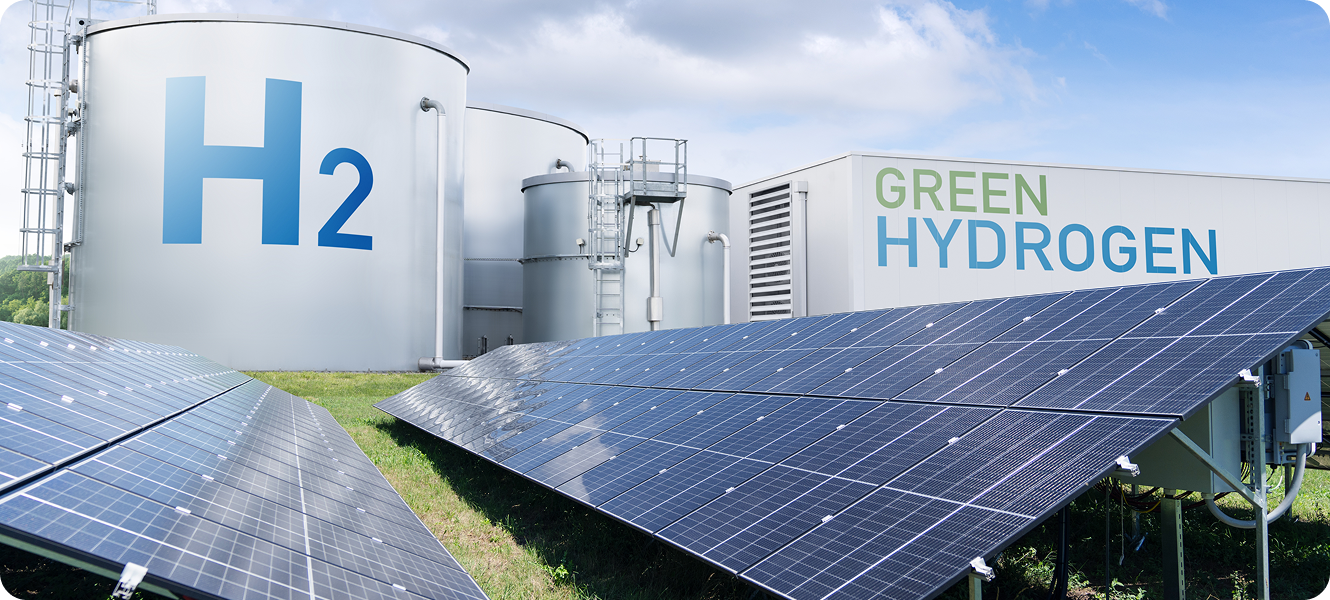
EN-POWER GROUP is excited to share our participation in New York State’s recently announced agreement with major hydrogen ecosystem partners for a regional clean energy hydrogen hub!

With our partners Daroga Power, EN-POWER will be working to develop one of the regional clean energy hydrogen hubs with a New York-led multi-agency consortium that includes Connecticut, Massachusetts, and New Jersey. The work spurs hydrogen and fuel cell innovation and advances clean hydrogen infrastructure deployment, research, and development. We are especially proud to support New York’s goal to reduce greenhouse gas emissions 85% by 2050.

Click here to read more: https://www.governor.ny.gov/news/governor-hochul-announces-multi-state-agreement-signed-major-hydrogen-ecosystem-partners