No Sweat: Paying for an AC Overhaul

“[Newport East’s] 25-year-old central cooling system was showings its age and, despite repeated repairs, kept breaking down… [Board member Andrew] Weiss hired Michael Scorrano, managing director of the engineering firm En-Power Group, to study all possible energy-efficiency upgrades, including rebates and incentives.‘[Scorrano says] First, we identified how they could become more energy-efficient and also how to get rebates from New York State Energy Research & Development Authority (NYSERDA) and Con Edison. Then we switched to natural gas, did lighting upgrades, and started planning a new cooling and heating system.’

… The $1.4 million paid for the all-important chillers for the central cooling system. In addition to cooling the building, the chillers produce waste heat, which fuels the hot-water boilers. This means that during the summer months, the hot water is heated solely by the chillers. ‘This means we have lower operating costs, leave a smaller footprint, and have lower maintenance,’ Weiss says. According to engineer Scorrano, the co-op also saves more than $175,000 per year.

The project was finished on budget, thanks in part to a $250,000 rebate from NYSERDA that will help replenish the reserve fund.”

To read the full November 17, 2016 article in Habitat >>>> click here
Smart Electric Meters Are Coming

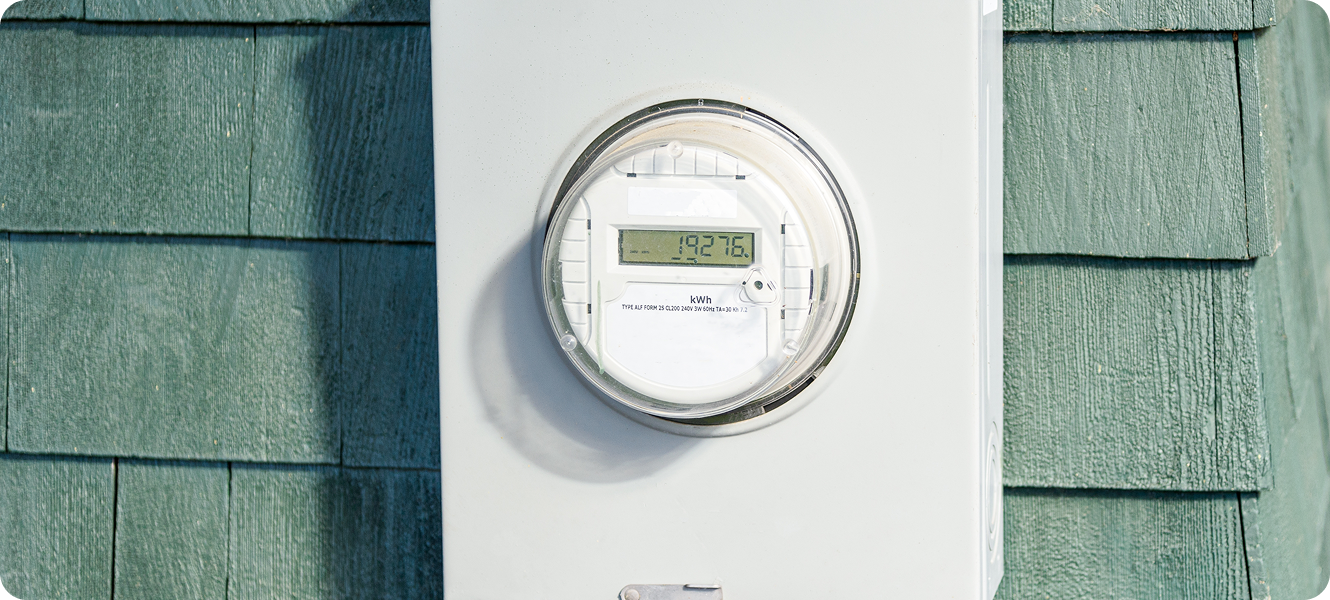
What you need to know. Your building’s electric meter is going to get smart.

… ‘Oftentimes the peak demand of a co-op or multi-family building is in the evening hours,’ says Thomas Morrisson, Director of Energy Management at EN-POWER Group, an energy consulting firm, ‘versus commercial buildings [with] peak demand around noon to 3:00 o’clock.’ For many multi-family buildings, switching to a time-of-day rate, based on your smart meter readings, could lower your electricity bill.

Be smart. What’s using the most electricity? There are a lot of building systems to examine, and while the smart meter is a start, it won’t provide the answers you need. Working with an energy consultant is a good next step. A consultant can advise if metering specific building systems and installing variable frequency drives will reduce your load, and if this is a cost-efficient move. Plus, Con Edison wants you to reduce demand. They offer energy efficiency and demand response programs to incentivize you, and smart meters (or an interval meter) are necessary to participate.

The bottom line. Smart meters are a great way to start to figure out how to save on electricity costs. Con Edison is tackling installation borough by borough and county by county. Staten Island is done, Westchester is almost finished, and they are beginning to roll out Brooklyn and Manhattan. Queens and the Bronx will follow.”

To read the full February 26, 2019 article in Habitat >>>> click here

Switch to LED lights brightens a Co Ops bottom line

What you need to know. Your building’s electric meter is going to get smart.

… ‘Oftentimes the peak demand of a co-op or multi-family building is in the evening hours,’ says Thomas Morrisson, Director of Energy Management at EN-POWER Group, an energy consulting firm, ‘versus commercial buildings [with] peak demand around noon to 3:00 o’clock.’ For many multi-family buildings, switching to a time-of-day rate, based on your smart meter readings, could lower your electricity bill.

Be smart. What’s using the most electricity? There are a lot of building systems to examine, and while the smart meter is a start, it won’t provide the answers you need. Working with an energy consultant is a good next step. A consultant can advise if metering specific building systems and installing variable frequency drives will reduce your load, and if this is a cost-efficient move. Plus, Con Edison wants you to reduce demand. They offer energy efficiency and demand response programs to incentivize you, and smart meters (or an interval meter) are necessary to participate.

The bottom line. Smart meters are a great way to start to figure out how to save on electricity costs. Con Edison is tackling installation borough by borough and county by county. Staten Island is done, Westchester is almost finished, and they are beginning to roll out Brooklyn and Manhattan. Queens and the Bronx will follow.”

To read the full February 26, 2019 article in Habitat >>>> click here

ENPG’s Thomas Morrisson Tells HABITAT How Boards Can Drive Project Success

EN-POWER GROUP is recently featured in Habitat Magazine’s podcast, Problem Solved! For Co-Ops and Condos, interview with Bill Morris.

EN-POWER GROUP proudly launches its new Service Page about Commissioning.

EN-POWER GROUP is recently featured in Habitat Magazine’s podcast, Problem Solved! For Co-Ops and Condos, interview with Bill Morris.

Tom Morrison talked about a 70-unit in the south Bronx that had a passionate Board member who wanted to improve his building’s current “C” energy letter grade to an “A” and completely eliminate their Round 1 and 2 NYC Local Law 97 carbon penalties. Tom and the team at EN-POWER worked closely in tandem with the Board to identify and implement energy improvement measures, including converting the heating system from oil to natural gas, installing new boilers, installing dedicated domestic hot water heaters, upgrading common area lighting, installing sub- metering, and installing a rooftop solar photovoltaic (PV) system. The Board is also working with individual residents to upgrade their lighting and water fixtures for free with Con Edison. These projects show buildings can achieve deep savings even without more costly electrification measures.

For more details, click here to check out the Habitat Magazine podcast: https://www.habitatmag.com/problem_solved/A-Bronx-Success-Story-All-About-Energy